Sovereign operational intelligence
WildMotion at Zimbabwe Parks and Wildlife
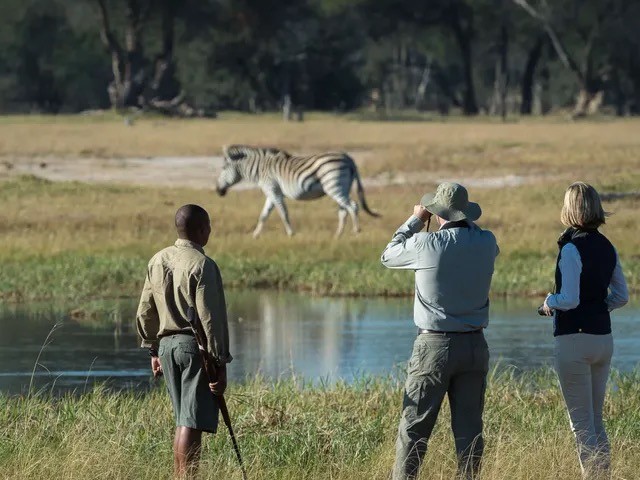
A data-driven conservation intelligence and operational management system, developed with Zimbabwe Parks and Wildlife Management Authority.
WildMotion is the operational intelligence layer that sits between field activity, operational coordination, data management, and strategic oversight inside a national wildlife authority.
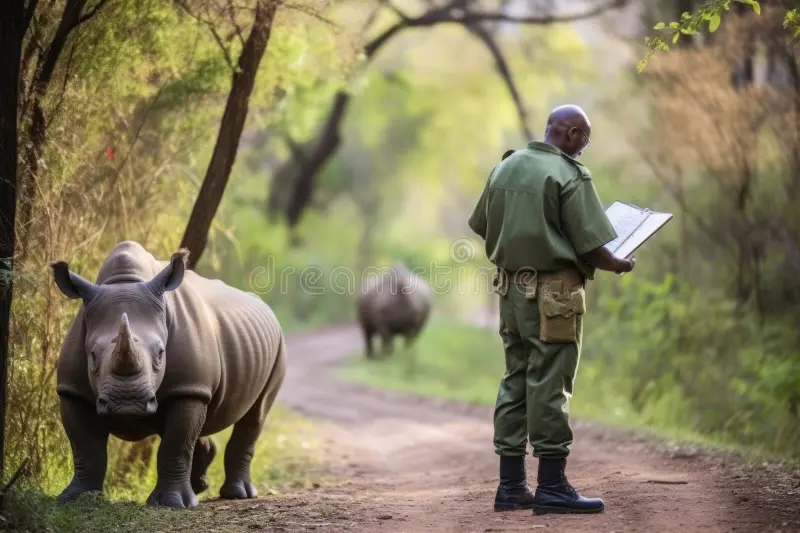
Conservation organisations across Africa face a structural challenge that is rarely about expertise or commitment — it is about operational fragmentation. Vast geographical territories. Dispersed ranger units. Disconnected reporting systems. Inconsistent data structures. Huge amounts of valuable field information generated daily — patrol activity, animal sightings, poaching indicators, environmental conditions, infrastructure status — that remains isolated, unstructured, and operationally invisible at leadership level.
WildMotion was built to close that gap. Not by introducing more technology, but by designing a system that could realistically function within the operational constraints of a national wildlife authority.
Our approach
The Sahem Method, applied inside a national agency.
The project followed the five phases we now run on every sovereign engagement.
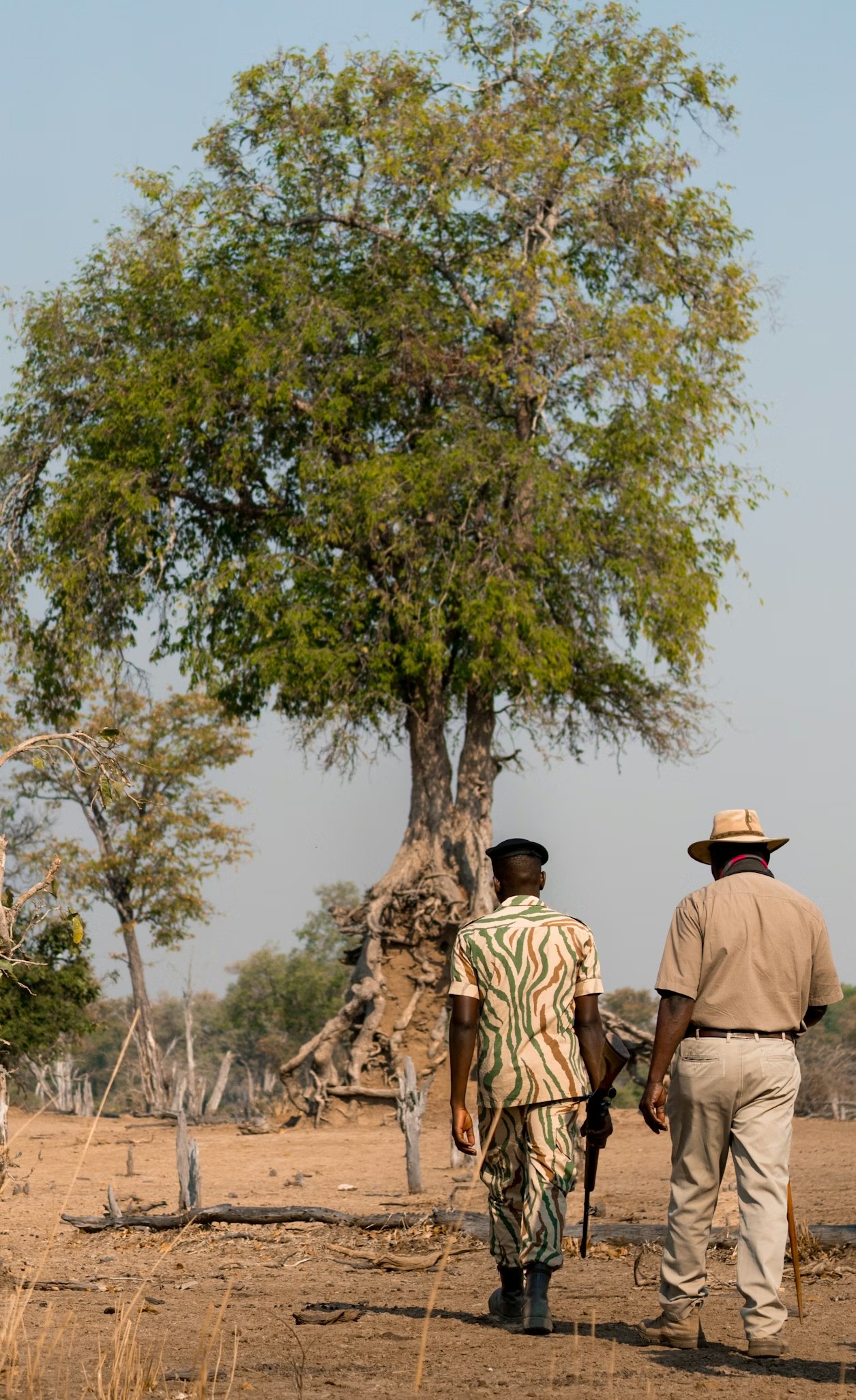
Observe. We embedded inside the authority to understand operational reality — workflows, reporting structures, bottlenecks, data handling practices, the gaps that nobody had time to formalise.
Structure. We mapped the core data flows. What information existed. Where it originated. How it moved. Where it broke down. What leadership actually needed visibility into. This effectively mapped the operational nervous system of conservation activity.
Build. We engineered the data architecture — structured categories, consistent organisational logic, incident classification, operational tagging, geographic referencing, time-based organisation. The unglamorous engineering that determines whether the system survives at all.
Deploy. We installed the system inside the wildlife authority. Reporting pathways, visibility systems, information accessibility, process continuity. Crucially — a real deployment inside a constrained public-sector environment, not a prototype in a sandbox.
Sustain. WildMotion now functions as institutional memory. A continuously accumulating operational archive that survives staff rotation and leadership change.
The challenge
Fragmented operations, invisible at leadership
The solution
What we built.
WildMotion is a layered operational system, not a single application.
Field collection layer — structured mechanisms for capturing ranger patrol reports, wildlife observations, incident logs, environmental observations, location-based inputs, and infrastructure status
Data structuring layer — classification structures, incident categorisation, operational tagging, geographic referencing, time-based organisation that makes records comparable across regions and years
Centralised visibility layer — unified operational visibility for leadership: field activity, operational trends, incident concentration, patrol coverage, historical comparisons, geographic intelligence
Decision-support layer — pattern analysis to surface recurring patterns, operational inefficiencies, ecological pressure points, high-risk areas, gaps in activity coverage, anomalies in reporting
Institutional memory layer — a continuously accumulating operational archive that survives staff turnover and becomes a long-term ecological dataset
Measurable results
Operational visibility
Leadership sees the full estate at a glance, not fragmented reports.
Structured data
Records are standardised, searchable, and comparable across time and geography.
Institutional memory
A continuously accumulating archive that survives staff rotation, leadership change, and operational shocks.
Evidence-led decisions
Conservation management shifted from reactive responses toward evidence-informed operations, strategic resource allocation, and long-term planning.
WildMotion proved something we already believed but had not yet demonstrated: that a focused team can build an institutional-grade system inside a constrained public-sector environment when they deeply understand the operational realities. The work was never about software. It was about turning fragmented field activity into structured intelligence that leadership could actually use.

Melusi Ndoro
Founder, Sahem Strategy
